_edited.png)
How to Set Your Thermostat During Extreme Winter

When arctic air moves in and temperatures fall below freezing, many homeowners instinctively crank up the heat. While that might feel like the safest move, HVAC experts say the best approach is more balanced. The right thermostat setting should keep your home comfortable, protect your plumbing, and avoid unnecessary energy costs.
The Sweet Spot for Winter Comfort
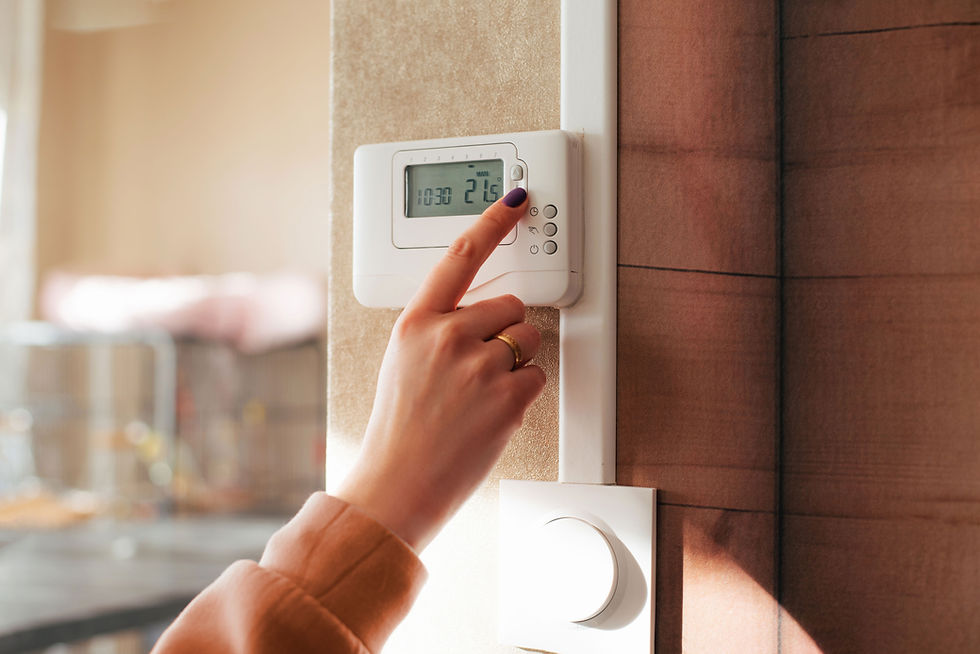
According to the article on Realtor.com, most HVAC professionals recommend setting your thermostat to about 68°F (20°C) while you’re awake and at home. This temperature tends to provide a comfortable indoor environment while still keeping heating bills in check.
When you’re sleeping or away, lowering the thermostat by 3 to 8 degrees can help reduce energy use without sacrificing safety. This small adjustment can make a noticeable difference in seasonal heating costs.
Don’t Let It Drop Too Low
If you plan to be away for several days, it may be tempting to turn the heat way down. Experts warn against letting the indoor temperature fall below 55°F (13°C). At that level, pipes are more likely to freeze, which can lead to costly water damage and repairs.
Keeping your thermostat above this minimum helps maintain enough warmth in walls and plumbing areas to prevent freezing.
Comfort Still Matters
While 68°F is widely recommended, HVAC professionals also emphasize that there’s no universal number for every home. Factors such as insulation quality, home size, and personal comfort preferences all play a role.
One expert suggests focusing on how the home actually feels. If you’re comfortable, the setting is probably right. If not, adjust slightly rather than making dramatic changes. Extreme cold outside means your heating system already works harder, so large temperature jumps can increase energy use and strain equipment.
Small Changes Add Up
Even a single degree increase in winter can raise heating costs by roughly 3% to 5%, which may translate to $50 to $100 more over the season. That’s why gradual adjustments and consistent settings often deliver the best balance between comfort and savings.
Extra Tips for Efficiency
Beyond thermostat settings, professionals also recommend:
Changing HVAC filters regularly
Sealing drafts around windows and doors
Scheduling routine system maintenance
Using zoning or programmable thermostats when possible
These steps help your heating system run efficiently and maintain stable indoor temperatures throughout the coldest weeks.


Comments